
Reed Valley: How clearing invasives helped the land recover and a family business find its feet again
Reed Valley sits next to Amakhala in South Africa’s Eastern Cape. For years, a roughly 200-hectare stretch of land had been taken over by invasive alien trees. Pines spread so widely that people began calling it “the pinery.” Indigenous vegetation had less space to grow, natural systems were under pressure and the land offered little value for wildlife or livelihoods.
For landowner Rod Weeks, the pandemic affected both his health and his income. Tourism slowed sharply and guests stayed away from his bush lodge. At the same time, the cost and complexity of clearing invasive trees felt out of reach. Like many landowners, he faced a difficult reality. He could see what the land needed, but he could not do it alone.
Hence, Rod placed a simple advert on Facebook, asking if anyone could help him remove the trees.
A practical agreement, built for the long term
Willem, Stewards of Nature’s sites manager, saw Rod’s post and reached out. This marked the start of a longer-term clearing and maintenance effort. They agreed on a plan to clear the site and maintain it for five years. That maintenance commitment mattered, because invasive alien plants often return if land is not monitored and managed after clearing.
Work began with a clear approach and the right standards. The team operated responsibly, with the relevant certifications and safety practices in place. The focus was not only on removing invasive trees, but also on giving the land the conditions it needs to recover over time.
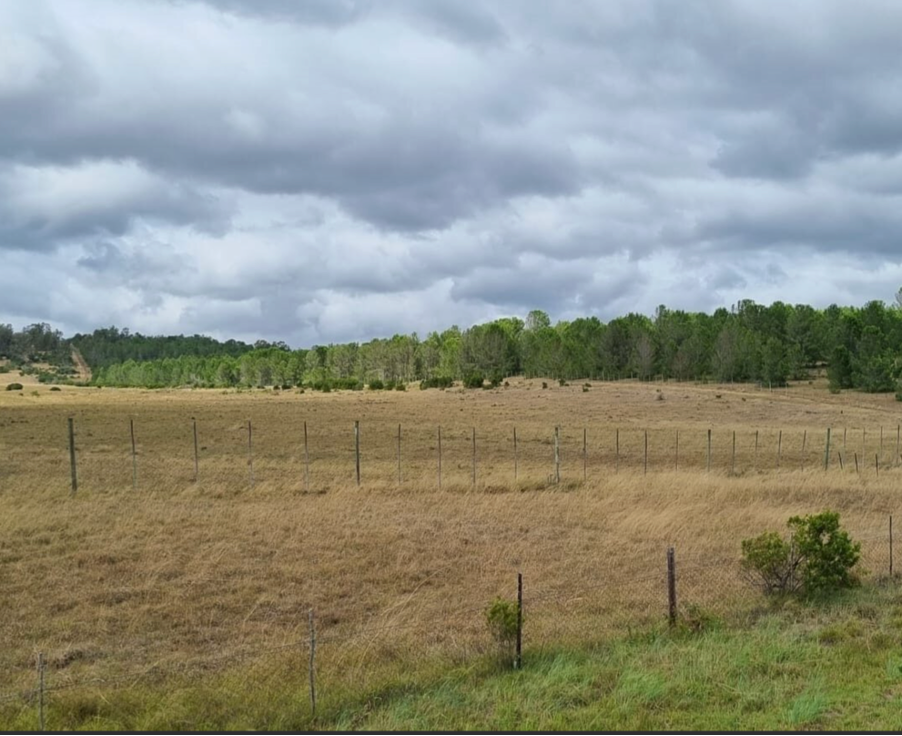
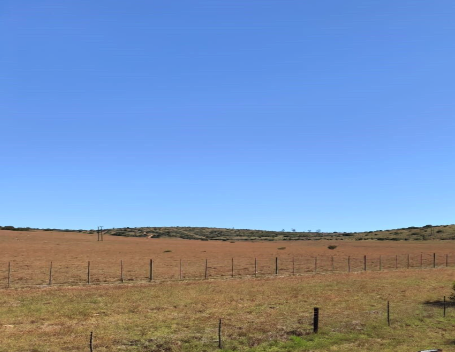
Rod shares the first results of the clearing efforts at Reed Valley.
The difference at Reed Valley is now visible. Where dense invasive pine stands dominated the landscape, the land has opened up and native vegetation is starting to return.
More than clearing
Rod’s view of the partnership is straightforward. He values that Stewards of Nature does not treat clearing as a quick task. The team plans properly, works sustainably and returns regularly to check progress. They also conduct follow-up treatments on a regular basis to reduce regrowth and prevent invasive alien plants from returning. This kind of follow-through is what helps restoration hold.
The site is also being monitored through a collaboration with Stellenbosch University, tracking the ecosystem’s recovery over time, including a trend of increasing native cover.
Benefits for nature and for the landowner
As the land stabilised, new options became possible. Today, Rod rents the cleared land to neighbouring land users, which has helped him rebuild income after the most difficult years of the pandemic.
The longer-term vision is also taking shape. Once vegetation has recovered enough to provide shade and shelter, the land can be incorporated into the game reserve, expanding habitat for wildlife. Rod also plans to build two additional lodge rooms and hire more staff. This supports responsible growth in tourism and employment, while strengthening the conservation landscape around Amakhala.
A place managed with stewardship in mind
Amakhala is a Fair-Trade Tourism member, and sustainability is a clear part of how the lodge operates. Reed Valley fits into that wider commitment. It shows how clearing invasive alien plants can support biodiversity and water systems, while also strengthening the economic foundation of landowners who depend on healthy land.
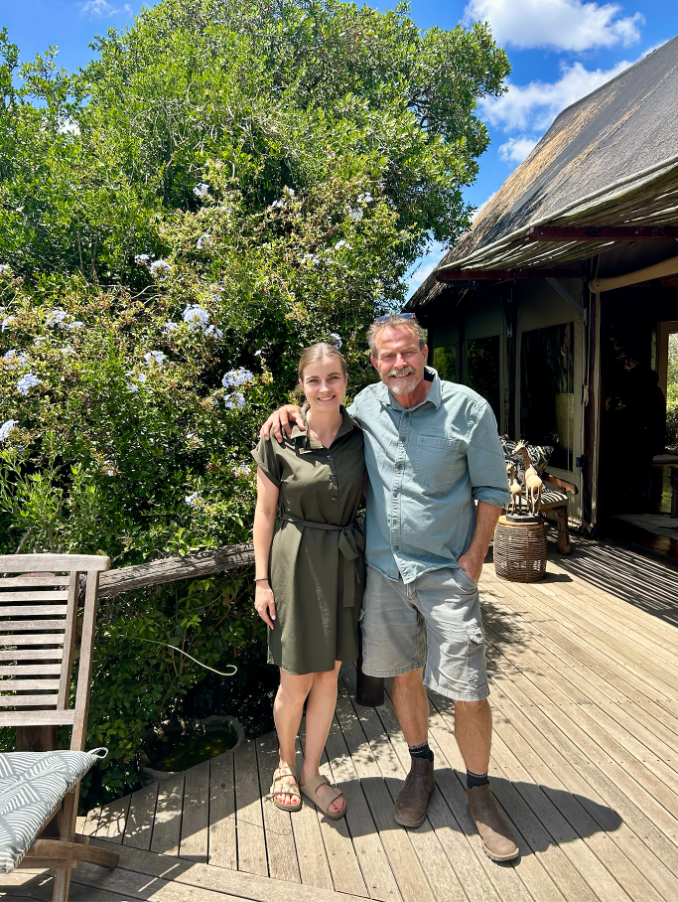
In parallel, Rod is preparing to transition the lodge to the next generation. His daughter and son now work alongside him and his wife as the handover takes shape. The restored land is part of that legacy, strengthening the long-term resilience of the business and the landscape. With continued management, its ecological and economic value can keep growing over time.


Lessons from Reed Valley
Reed Valley is a practical example of how Stewards of Nature delivers shared value through well-managed invasive clearing.
Stewards of Nature’s work supports nature by creating the conditions for indigenous vegetation and habitat to recover. It supports people by restoring income, enabling future job creation, and strengthening the long-term outlook for a family business.
At Reed Valley, clearing marked the beginning of a longer recovery process. The lasting impact comes from Stewards of Nature’s consistent follow-up that prevents re-invasion and gives the land time to regenerate. This is how restored land becomes productive again, for biodiversity and for the people who depend on it.